

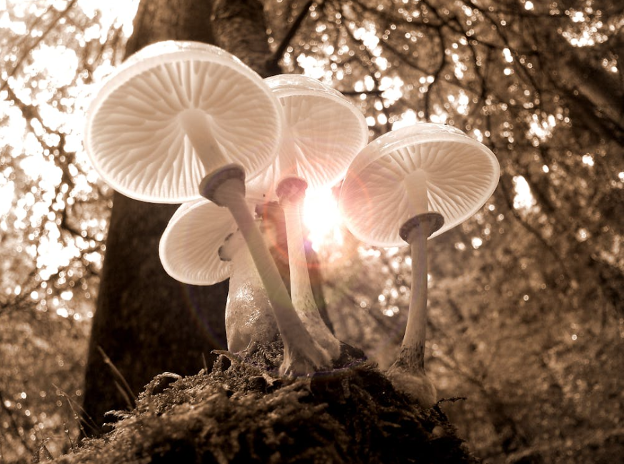
Microdose mushrooms have become an increasingly common topic within modern wellness conversations. Rather than focusing on intense or immersive psychedelic experiences, microdosing emphasizes subtlety, consistency, and intention.
Microdosing typically involves consuming very small, sub-perceptual amounts of psilocybin-containing mushrooms on a structured schedule. The goal is not intoxication, but integration—allowing the practice to fit seamlessly into daily life.
This guide explains what microdose mushrooms are, how microdosing works in the body, common protocols, safety considerations, and what current research suggests—without hype or exaggerated claims.
What Is Microdosing Mushrooms?
Microdosing mushrooms refers to the practice of consuming very small amounts of psilocybin-containing mushrooms, typically ranging from 0.1 to 0.3 grams of dried material. At these levels, most people do not experience visual distortions or altered perception.
Rather than a single event, microdosing is commonly discussed as a routine or pattern. Educational and holistic frameworks emphasize consistency, reflection, and self-observation over intensity or immediate outcomes.
Within this context, microdosing is framed as a mindfulness-oriented practice rather than a transformative or therapeutic intervention.
Why Microdosing Has Gained Popularity
Interest in microdose mushrooms has grown alongside broader shifts toward intentional wellness and personalized health practices. Several factors contribute to this trend:
- Increased focus on mental well-being and cognitive clarity
- Growing curiosity around plant-based and natural approaches
- Desire for practices that integrate into everyday routines
- Expanded access to educational resources and research discussions
For many, microdosing represents a structured way to explore awareness and focus without disrupting daily responsibilities.
Microdosing vs. Larger Psychedelic Experiences
Microdosing is fundamentally different from macrodosing or guided psychedelic experiences.
Microdosing is typically described as:
- Sub-perceptual
- Non-intoxicating
- Compatible with daily activities
- Focused on consistency rather than intensity
Larger doses, by contrast, are associated with immersive or introspective experiences and are often discussed in therapeutic or ceremonial contexts. These approaches should not be confused.
How Microdosing Works in the Body
Psilocybin is a naturally occurring compound found in certain mushroom species. When consumed, it is converted in the body into psilocin, which interacts primarily with serotonin receptors, especially the 5-HT2A receptor involved in perception, mood regulation, and cognition.
At microdose levels, this interaction is subtle. Researchers are exploring whether microdosing influences neural signaling and brain connectivity, though the precise mechanisms remain under investigation.
Individual response varies widely. Factors such as metabolism, sensitivity, mindset, and environment all influence how a microdose is experienced.
Common Microdosing Protocols
There is no universally accepted microdosing protocol, but two structured approaches are frequently referenced in educational discussions.
The Fadiman Protocol
Developed by psychologist Dr. James Fadiman, this protocol follows a one-day-on, two-days-off schedule:
- Day 1: Microdose
- Day 2: No dose
- Day 3: No dose
- Repeat
The spacing is intended to reduce tolerance while allowing individuals to observe subtle changes over time.
The Stamets Stack
The Stamets Stack combines psilocybin microdoses with lion’s mane mushroom and niacin, typically following a four-days-on, three-days-off schedule.
This approach is often discussed in the context of neuroplasticity research, though scientific evidence supporting the stack as a system remains limited.
Both protocols emphasize restraint, consistency, and observation rather than escalation.
Microdose Mushrooms and Mood & Focus
Many people report changes in focus, mood, or creative thinking while microdosing. These reports are largely anecdotal, and experiences vary significantly between individuals.
Some researchers suggest expectation and placebo effects may play a meaningful role in perceived outcomes. Current studies are investigating whether microdosing produces measurable cognitive or emotional changes beyond placebo responses.
At present, microdosing should be viewed as an area of ongoing scientific interest, not a proven intervention.
Strains and Microdosing Considerations
Most microdosing discussions focus on Psilocybe cubensis, the most commonly cultivated species. Named varieties such as Golden Teacher, B+, or Penis Envy are often mentioned, but dosage consistency matters more than strain selection when microdosing.
Because potency can vary between strains—and even between batches—starting with conservative amounts is widely emphasized in educational resources. For this reason, many people gravitate toward microdose capsules, which are designed to provide more consistent, pre-measured quantities when following structured microdosing protocols.
Storage and Handling
Proper storage helps maintain potency and consistency over time.
Best practices include:
- Fully drying mushrooms before storage
- Using airtight containers
- Keeping them away from light, heat, and moisture
- Storing in a cool, dark place
When stored correctly, dried mushrooms can retain potency for many months or longer.
Common Microdosing Mistakes
Educational discussions around microdosing often highlight several common pitfalls:
- Taking too much (a microdose should remain sub-perceptual)
- Dosing too frequently, leading to tolerance
- Expecting immediate or dramatic results
- Ignoring sleep, nutrition, and stress levels
- Treating microdosing as a shortcut rather than a supportive practice
Current Research on Microdosing
Scientific research on microdosing is still emerging. Early studies have examined self-reported mood, creativity, and cognitive flexibility, with mixed results.
Institutions such as Johns Hopkins University and Imperial College London contribute to broader psychedelic research, though most controlled trials focus on larger, supervised doses rather than microdosing specifically.
Current evidence suggests:
- Outcomes are highly individual
- Placebo effects may influence reported benefits
- More long-term, controlled studies are needed
How Microdosing Fits Into Holistic Wellness
Microdose mushrooms are often discussed as part of a broader holistic lifestyle rather than a standalone solution. This perspective aligns microdosing with practices such as meditation, breathwork, movement, and intentional rest.
Within holistic frameworks, the emphasis remains on balance, education, and self-awareness rather than promises or guarantees.
Conclusion
Microdose mushrooms represent a growing area of interest within modern wellness conversations. While curiosity continues to rise, microdosing remains a practice best approached with education, restraint, and realistic expectations.
Understanding dosage, structure, storage, and the current state of research allows individuals to explore the topic thoughtfully rather than reactively. As scientific exploration continues, guidance will evolve—but for now, microdosing is best understood as an emerging practice, not a definitive solution.
For readers interested in learning more about the different formats and varieties available today, exploring a curated mushrooms collection can provide additional context around how these products are cultivated and presented within modern practice.


