

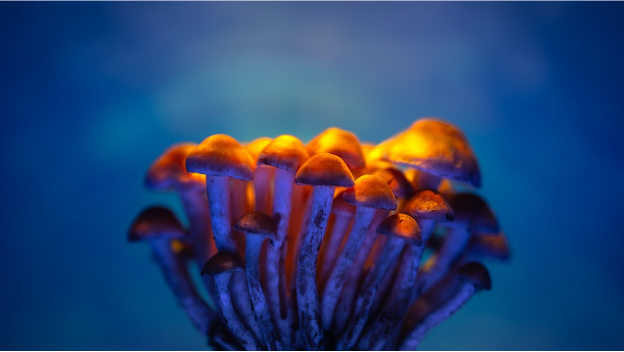
Psilocybin therapy has emerged as a structured, intentional approach to mental wellness that differs fundamentally from casual or unguided mushroom use. Rather than focusing on the experience itself, guided psilocybin therapy emphasizes preparation, professional support, and post-session integration to help individuals explore emotional patterns, perspective shifts, and personal insight in a controlled environment.
As scientific research expands, psilocybin therapy is increasingly discussed within clinical and therapeutic contexts—not as a quick fix, but as a process grounded in intention, safety, and long-term integration.
Understanding the Natural Compound Behind Psilocybin Therapy
Psilocybin is a naturally occurring compound found in certain mushroom species. Once ingested, it is converted into psilocin, which interacts with serotonin receptors associated with mood, perception, and cognitive flexibility.
What distinguishes psilocybin therapy from recreational use is not the compound itself, but the framework surrounding it. Therapeutic contexts emphasize screening, preparation, guided support, and structured reflection—elements shown to significantly influence outcomes.
Rather than seeking intensity, psilocybin therapy focuses on creating conditions where insight, emotional processing, and psychological flexibility may occur.
The Three-Phase Structure of Guided Psilocybin Therapy
Psilocybin therapy is commonly described as a three-phase process:
Preparation
Preparation involves intention-setting, education, and trust-building with a trained guide or therapist. Individuals explore personal goals, mental health history, and expectations while learning how mindset (“set”) and environment (“setting”) influence the experience.
The Guided Session
The guided session typically lasts between 6–8 hours and takes place in a calm, supportive environment. Participants consume a measured dose under professional supervision, often with music and minimal external stimulation to encourage inward focus.
Guides do not direct the experience, but remain present to provide reassurance, grounding, and safety if challenging emotions arise.
Integration
Integration occurs in the days and weeks following the session. This phase helps translate insights into daily life through reflection, discussion, and practical application. Research consistently shows that integration plays a critical role in long-term outcomes.
Research-Backed Applications in Mental Wellness
Modern research into psilocybin therapy has expanded significantly, with institutions such as Johns Hopkins University and Imperial College London studying its effects on mood, cognition, and psychological flexibility.
Findings suggest psilocybin may temporarily reduce rigid thought patterns and increase openness, allowing individuals to explore emotions and perspectives in new ways. Most studies emphasize that outcomes vary and depend heavily on preparation, environment, and support.
Importantly, clinical research focuses on guided, supervised use, not self-directed or recreational contexts.
Quality, Sourcing, and Safety Considerations
The quality of psilocybin products and the professionalism of the therapeutic environment are central to responsible practice.
Reputable programs prioritize:
- Consistent cultivation standards
- Clear dosing protocols
- Proper screening and contraindication checks
- Secure, supportive settings
Psilocybin mushrooms exist in many cultivated varieties, most commonly within the species Psilocybe cubensis. While these mushrooms contain the same primary active compounds, variations in genetics, cultivation methods, and environmental conditions can influence perceived strength and growth characteristics. As a result, discussions around psilocybin mushroom strains and potency differences often focus less on strain names alone and more on how sourcing, cultivation quality, and consistency shape the overall experience.
Creating Safe and Supportive Therapeutic Environments
A safe environment extends beyond physical comfort. Emotional safety, professional training, and clear protocols all shape the therapeutic container.
Quality programs emphasize:
- Trained facilitators with psychological and trauma-informed education
- Calm, private settings
- Clear boundaries and communication
- Ongoing integration support
Trust between participant and guide is essential, as it allows individuals to engage fully with the process rather than managing uncertainty or fear.
How Psilocybin Therapy Fits Within Holistic Mental Health Care
Psilocybin therapy is often discussed within a broader ecosystem of alternative therapies and holistic mental wellness, alongside psychotherapy, mindfulness practices, and somatic approaches.
Rather than replacing traditional care, guided psilocybin therapy is increasingly framed as a complementary modality—one that may support emotional insight when integrated thoughtfully and responsibly.
Conclusion
Psilocybin therapy represents a structured intersection of ancient knowledge and modern clinical research. When approached with intention, professional guidance, and thoughtful integration, it offers a framework for exploring mental and emotional patterns rather than escaping them.
As research continues to evolve, education and responsible access remain essential. Psilocybin therapy is not about intensity or novelty—it is about preparation, support, and the work that happens before and after the session itself. For those seeking to deepen their understanding of psilocybin beyond clinical settings, exploring different mushroom formats and educational resources can be a helpful starting point. You can view our full Mushrooms collection to learn more about the options people commonly explore as part of a mindful, informed approach.
Frequently Asked Questions About Psilocybin Therapy
How long does a psilocybin therapy session last?
Most guided sessions last 6–8 hours, followed by integration sessions in the days or weeks after.
Is psilocybin therapy the same as recreational mushroom use?
No. Therapy involves structured preparation, professional guidance, and integration, rather than unplanned or self-directed use.
How many sessions are typically involved?
Many protocols involve one to three sessions, depending on goals and individual response.
What qualifies someone to guide psilocybin therapy?
Training in psychedelic-assisted therapy, trauma awareness, safety protocols, and integration support is essential.
Is psilocybin therapy suitable for everyone?
Not always. Medical history, medications, and mental health conditions must be carefully screened by qualified professionals.


