

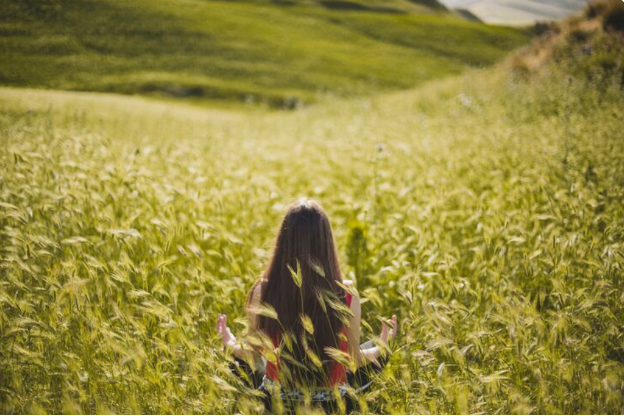
Psychedelic wellness for mental health focuses less on treating symptoms in isolation and more on understanding emotional patterns, recurring thought loops, and internal narratives. Rather than positioning plant medicines as alternatives to therapy, many modern discussions explore how substances like psilocybin and cannabis may complement existing mental health practices by supporting emotional awareness, introspection, and perspective shifts.
While research is still developing, both historical use and emerging studies have placed substances such as cannabis and psilocybin within modern discussions of wellness, mental health, and self-exploration.
Historical Context of Natural Psychedelics
Plant-Based Traditions
Humans have interacted with psychoactive plants and fungi for thousands of years. Across cultures, naturally occurring compounds were explored not as recreational substances, but as tools for reflection, ritual, and healing.
Indigenous traditions across Mesoamerica, South America, and North America developed structured practices involving psilocybin mushrooms, peyote, and other plant medicines. These practices were refined through generations and embedded within cultural frameworks emphasizing intention, preparation, and community.
While modern terminology did not exist, many of these traditions reflect early forms of what we now describe as psychedelic wellness for mental health.
Cultural Uses in Healing
Traditional healing practices often combined plant medicine with ceremony, guidance, and supportive environments. These elements—now commonly referred to as “set and setting”—remain central to contemporary discussions around responsible psychedelic use.
Rather than isolating compounds from context, these traditions viewed mental and emotional well-being as interconnected with environment, relationships, and inner awareness. Modern research has begun exploring similar principles through structured clinical and observational studies.
Cannabis in Psychedelic Wellness for Mental Health
Organic Strains and Cultivation
Cannabis plays a prominent role in discussions of psychedelic wellness due to its wide range of naturally occurring cannabinoids and terpenes. Cultivation methods can significantly influence consistency, purity, and overall experience.
Organically grown cannabis prioritizes clean substrates, careful environmental control, and avoidance of synthetic pesticides or additives. These practices support a fuller chemical profile and reduce the presence of unwanted contaminants.
Different cannabis strains are often discussed in relation to their general characteristics rather than fixed outcomes, with cultivation quality frequently outweighing strain name alone.
Edibles and Extract Forms
Cannabis can be consumed in various forms, each producing distinct onset times and durations. Edibles are metabolized differently than inhaled cannabis, resulting in longer-lasting and often more pronounced effects.
Extracts and concentrates allow for more precise measurement, which is often emphasized in educational discussions around intentional use. Regardless of format, moderation and familiarity with individual response are key considerations.
Psilocybin in Psychedelic Wellness for Mental Health
Mushroom Varieties and Natural Diversity
Psilocybin mushrooms exist in many cultivated varieties, most commonly within the species Psilocybe cubensis. While all contain the same core compounds, differences in genetics, cultivation methods, and environmental conditions can influence overall potency and consistency. Understanding psilocybin mushroom strains and potency differences can provide helpful context when learning how natural variability may shape individual experiences, without shifting focus away from broader wellness discussions.
Some varieties are often discussed as more potent, while others are considered more balanced. These distinctions are influenced by genetics, cultivation methods, and environmental conditions rather than fundamentally different chemical compositions.
Natural Growth Processes
Responsible cultivation emphasizes clean substrates, controlled humidity, proper airflow, and sterile handling. These factors directly influence consistency and safety.
Natural growth processes avoid synthetic additives and prioritize environmental balance, reinforcing the importance of sourcing when discussing psychedelic wellness for mental health.
Natural Benefits of Psychedelic Plants
Earth-Derived Compounds
Compounds such as psilocybin, THC, and CBD occur naturally and interact with existing systems in the human body, including serotonin and endocannabinoid pathways.
Rather than acting in isolation, these compounds often exist alongside dozens of additional molecules. This complexity is sometimes discussed as an “entourage effect,” where multiple compounds interact to shape overall experience.
Holistic Exploration Potential
Discussions around psychedelic wellness frequently emphasize self-reflection rather than symptom suppression. Rather than numbing emotions, these substances are often framed as supporting awareness and perspective when used intentionally.
Research into neuroplasticity suggests that certain compounds may temporarily influence brain connectivity, though outcomes vary widely and remain under active study. Education and context remain central to responsible exploration.
Product Sourcing and Purity Standards
Discreet Marketplace Options
As interest grows, access to professionally sourced products has expanded. Trusted platforms emphasize transparency, consistency, and discretion.
Clear labeling, cultivation transparency, and reliable service are often cited as indicators of quality. Privacy and professionalism are viewed as essential, particularly when individuals are exploring personal wellness topics.
Sustainable Harvesting Practices
Sustainability plays an important role in long-term availability and ecological responsibility. Ethical cultivation reduces pressure on wild populations and supports regenerative practices.
Responsible sourcing prioritizes environmental stewardship alongside quality standards.
Latest Research Trends
Clinical Research Insights
Scientific research into psychedelic compounds has increased significantly in recent years. Institutions such as Johns Hopkins University and Imperial College London are exploring how psilocybin interacts with mood, perception, and cognition.
Most controlled studies focus on isolated compounds under supervised conditions, rather than strain-specific or marketplace contexts. Findings remain preliminary and emphasize the need for continued research.
Accessibility Developments
Alongside research, public education has expanded. More resources now focus on harm reduction, informed decision-making, and realistic expectations rather than exaggerated claims.
How Psychedelic Wellness Fits Into Broader Holistic Care
Psychedelic wellness for mental health is often discussed as part of a broader framework of alternative therapies and holistic mental wellness, alongside practices such as psychotherapy, meditation, movement, and intentional rest. Rather than positioning plant-based approaches as replacements for conventional care, many modern perspectives emphasize integration—recognizing that different tools may support emotional well-being, self-awareness, and healing at different stages of a person’s journey.
Conclusion
Psychedelic wellness for mental health reflects a growing interest in natural, intentional approaches to emotional well-being. Rooted in both historical tradition and emerging research, these discussions emphasize education, sourcing, and responsible exploration.
While not a universal solution, plant-based approaches continue to shape broader conversations about mental health, awareness, and self-understanding. As research evolves, informed dialogue remains essential.


